














Mother’s Day Flower Guide

Flowers are the traditional gift for Mother’s Day, but not all bouquets (however pretty) convey the same meaning. Floriography, the Victorian study of the symbolic language of flowers, can help you choose the perfect way to express your love and admiration for your mother figure, and tell you which flowers might send the wrong message.
Let’s start with flowers that would make a meaningful addition to a Mother’s Day bouquet:
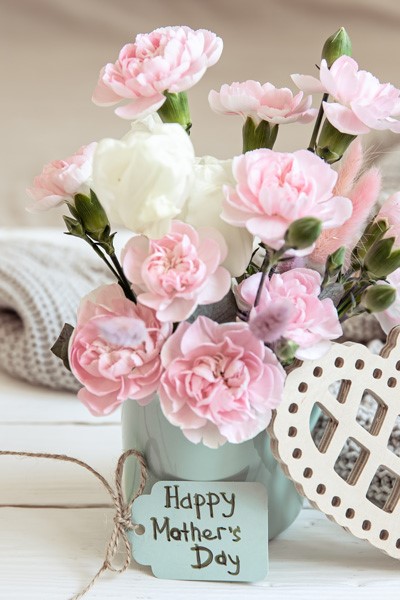
Carnations: The queen of Mother’s Day flowers! Pink carnations symbolize a mother’s love, while white carnations represent unconditional love. Red carnations have a deeply romantic connotation, so they should probably be avoided unless the mother receiving them is your partner!
Roses: Each colour and shade of rose has its own meaning – red is synonymous with romantic love, yellow means friendship – but for Mother’s Day, the colours that best suit the occasion are pink (representing grace) and dark pink (representing gratitude).
Iris: Emblematic of wisdom, trust, and valour, sending irises is a great way to tell mom you appreciate her strength and all you have learned from her.
Sunflowers: Symbolizing adoration, pride, and loyalty, sunflowers are the perfect way to celebrate a mom who brings sunshine into her family’s lives.
Peonies: Peonies are lush, fragrant blooms that symbolize honour, prosperity, luxury and good fortune, making them a perfect choice for Mother's Day.
Not all flowers send a loving message. Here are some flowers the Victorians would caution you to avoid on Mother’s Day:
Begonias: Sending begonias is a warning of misfortune to come.
Geraniums and Columbines: Symbols of folly and deception.
Marigolds: Represent despair and jealousy.
Armed with this historical knowledge, may you find the perfect bouquet to show the mother in your life how much they mean to you!